Navigating the New 2026 Forex Regulations in South Asia: A Guide for Traders in India, Pakistan, and Bangladesh
Forex trading has grown rapidly across South Asia, driven by increased internet access, mobile trading platforms, and rising interest in global financial markets. Traders in...
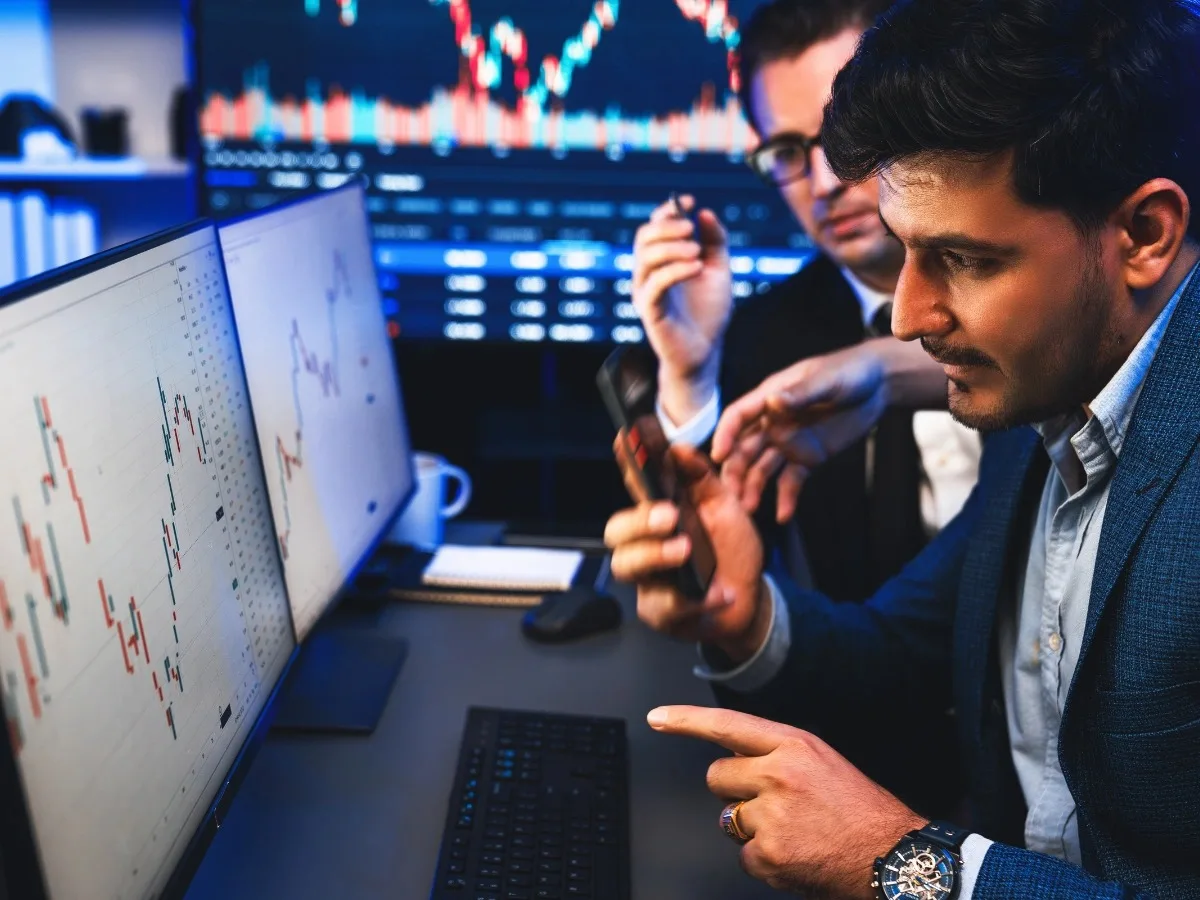
Forex trading has grown rapidly across South Asia, driven by increased internet access, mobile trading platforms, and rising interest in global financial markets.
Traders in India, Pakistan, and Bangladesh are now more active than ever. However, with this growth comes tighter oversight from regulators who want to protect investors, prevent illegal capital flows, and ensure financial stability.
The 2026 regulatory updates across the region have introduced clearer rules, stricter broker compliance requirements, and more transparency around taxation and licensing.
For traders, especially those interested in Halal Forex trading South Asia 2026, understanding these changes is essential to avoid penalties and trade safely.
This guide explains what has changed, what remains allowed, and how you can continue trading legally and responsibly.
Overview of Forex Trading in South Asia
Forex trading in South Asia has traditionally operated under strict foreign exchange controls. Unlike some Western markets where retail forex trading is widely accessible, South Asian regulators carefully monitor currency trading to prevent money laundering, capital flight, and fraud.
Most regulators allow forex trading under certain conditions:
- Trading through authorised brokers
- Using approved currency pairs
- Following foreign exchange limits
- Declaring profits and paying taxes
The rise of regulated international brokers and local payment solutions has made trading easier.
However, the regulatory landscape in 2026 emphasises compliance more than ever before. Traders must now focus on using licensed platforms, understanding tax obligations, and ensuring their activities align with national financial laws.
This is especially important for those seeking Halal Forex trading South Asia 2026, as compliance with both financial and Islamic guidelines requires careful broker selection.
New Forex Regulations in 2026
Across South Asia, central banks and financial authorities have introduced key regulatory updates to improve transparency and investor protection.
Some major changes include:
- Stronger verification requirements for traders and brokers
- Tighter monitoring of international fund transfers
- Clearer tax reporting rules for forex profits
- Restrictions on unlicensed offshore brokers
These changes are designed to reduce fraud, protect local currencies, and ensure traders operate within legal frameworks.
Authorities are also encouraging traders to use licensed brokers instead of unregulated offshore platforms. This shift protects traders from scams and ensures their funds are secure.
For traders focused on Halal Forex trading South Asia 2026, these regulations actually provide more clarity, as licensed brokers are more likely to offer compliant trading conditions such as swap-free accounts.
Halal Forex Trading Practices in the Region
Halal forex trading refers to trading practices that comply with Islamic finance principles. The key requirements include:
- No interest (riba)
- No excessive uncertainty (gharar)
- No gambling-like speculation
Many brokers now offer Islamic accounts, also known as swap-free accounts, which remove overnight interest charges.
To ensure compliance, traders should:
- Choose regulated brokers
- Avoid excessive leverage
- Focus on informed trading decisions
- Avoid speculative behaviour
The regulatory changes in 2026 make it easier to identify trustworthy brokers. This helps traders pursue Halal Forex trading South Asia 2026 with greater confidence.
Legal Forex Brokers in Bangladesh
Forex trading in Bangladesh is tightly controlled by Bangladesh Bank. Residents are generally restricted from directly trading foreign currencies unless transactions occur through authorised channels.
However, interest in forex trading continues to grow, and many traders are searching for Legal Forex brokers in Bangladesh 2026.
To stay compliant, traders should:
- Use internationally regulated brokers
- Avoid brokers that promise guaranteed profits
- Verify broker licenses from recognised regulators
- Ensure proper documentation for transactions
Another important trend is the rise of Local deposit forex brokers Bangladesh 2026, which allow traders to fund accounts using local payment methods. While convenient, traders must ensure these brokers operate legally and follow regulatory guidelines.
Working with compliant brokers reduces risk and helps traders operate within Bangladesh’s legal framework.
RBI Forex Regulations for Retail Traders

Forex trading in India is regulated by the Reserve Bank of India and the Securities and Exchange Board of India.
The updated RBI Forex Regulations 2026 for retail traders focus on limiting risk and preventing illegal capital movement.
Key rules include:
- Trading only in approved currency pairs
- Using authorised Indian brokers
- Prohibition on unauthorised offshore trading
- Strict monitoring of foreign transfers
Indian traders can legally trade forex through regulated exchanges and brokers. However, trading through unlicensed offshore platforms remains restricted.
The updated framework protects traders while ensuring market stability. Those interested in Halal Forex trading South Asia 2026 in India should choose brokers offering Islamic accounts and operating under proper regulatory supervision.
Is Forex Trading Legal in Pakistan 2026
One of the most common questions traders ask is: Is forex trading legal in Pakistan 2026?
Forex trading itself is not illegal, but strict regulations apply. The State Bank of Pakistan controls foreign exchange transactions and oversees currency stability.
Key legal considerations include:
- Using authorised brokers
- Avoiding illegal foreign currency transfers
- Following tax reporting requirements
- Ensuring funds are transferred through proper banking channels
Pakistani traders should be cautious about using unregulated offshore brokers, as these may violate foreign exchange laws.
With proper compliance, traders can participate in forex markets legally and safely.
SBP Forex Tax Laws and Their Impact
The updated SBP Forex tax laws Pakistan 2026 have introduced clearer tax reporting requirements for forex traders.
Profits from forex trading may be classified under:
- Capital gains
- Business income
- Foreign income (depending on activity)
Traders must:
- Maintain trading records
- Report earnings in tax returns
- Pay applicable taxes
- Ensure transparency in fund transfers
Failure to comply may result in penalties or legal consequences.
However, these tax laws also bring legitimacy to forex trading, recognising it as a financial activity rather than an informal or hidden income source.
For traders focused on Halal Forex trading South Asia 2026, proper tax compliance is an essential part of ethical and lawful trading.
Practical Tips for Traders in South Asia
Here are some practical steps traders should follow under the new 2026 regulations:
1. Choose Regulated Brokers
Always verify broker licenses through official regulatory authorities.
2. Avoid Unlicensed Offshore Platforms
These platforms often operate outside legal protections.
3. Maintain Financial Records
Keep detailed records of deposits, trades, and withdrawals.
4. Understand Tax Obligations
Declare forex earnings according to national tax laws.
5. Consider Islamic Accounts
For traders seeking ethical compliance, swap-free accounts support Halal trading.
These steps help ensure safe and compliant participation in forex markets.
Conclusion
The 2026 forex regulations across India, Pakistan, and Bangladesh reflect a growing effort to protect traders and strengthen financial systems. While the rules may appear stricter, they ultimately provide clearer guidance and greater security.
Traders must now focus on compliance, broker verification, and tax transparency. Understanding national regulations, choosing licensed platforms, and maintaining proper records are essential for long-term success.
For those interested in Halal Forex trading South Asia 2026, the current regulatory environment actually offers more clarity and protection than before. By following legal requirements and ethical trading practices, traders can participate confidently in the global forex market while staying fully compliant with regional laws.
The key is simple: stay informed, trade responsibly, and always prioritise compliance over convenience.